Branding Project: OSFAST

Introduction
This was a real client project for Oscar Wouterse (OSFAST), who wanted a full rebrand of his tech-focused personal brand. His vision? A modern, energetic identity — something bold enough to work even without text. We approached the branding process by diving into Oscar’s preferences, which included gaming references and futuristic design elements. This helped us connect emotionally with the client’s needs from the beginning.
Project Goal
- Create a visual identity with modern tech energy
- Design a text-free logo with strong visual presence
- Support a new portfolio site
Moodboard Process
We created the mood board and stylescapes with inspiration directly from Oscar. He shared personal preferences like Zelda, Megaman, and general futuristic visuals, which gave us a clearer sense of direction early on. As a result, our visual exploration felt much more relevant and collaborative.
- Why: To explore Oscar’s techy, energetic vibe
- What: Game references, tech-inspired visuals
- Tool: Figma, shared with team
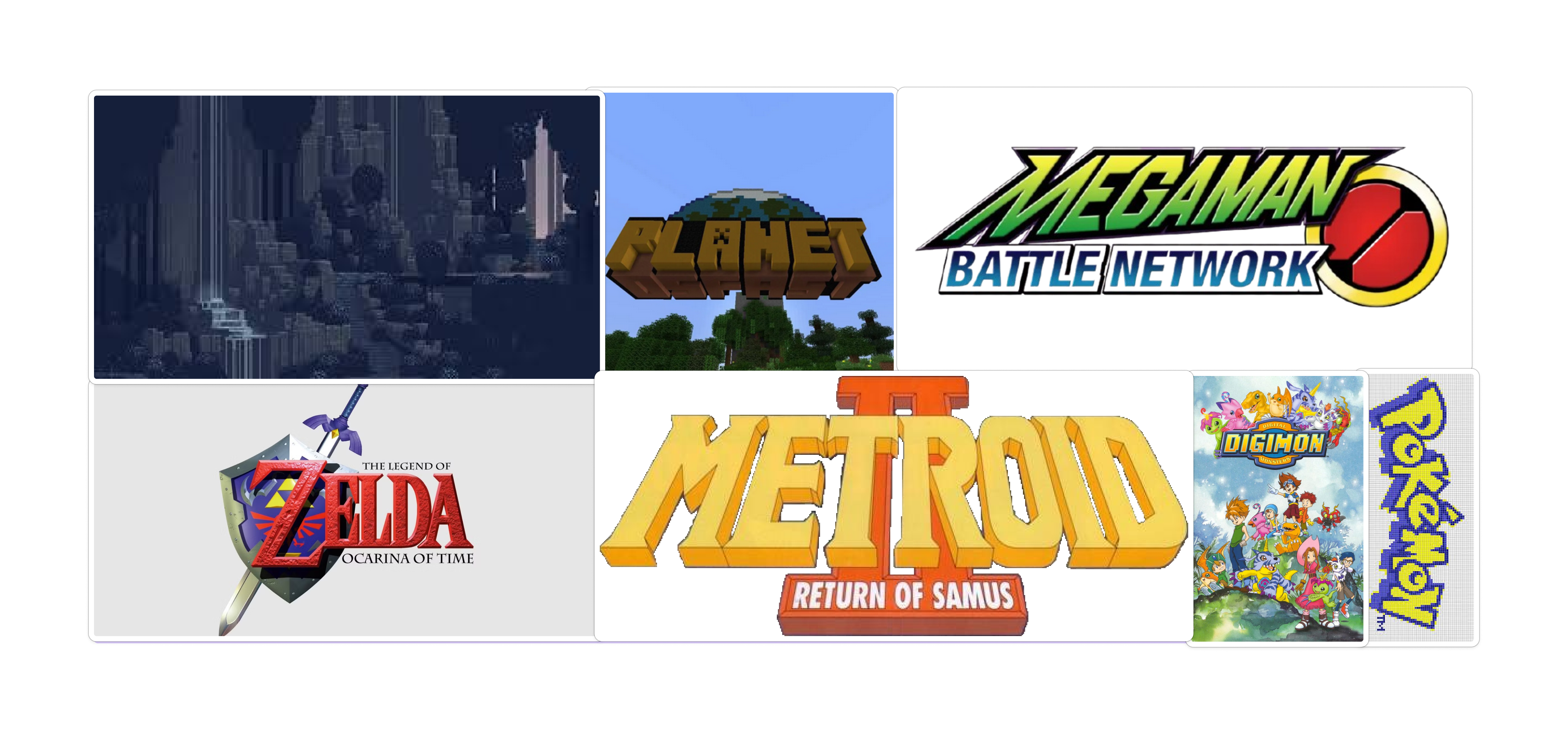
Stylescape
Each group member created their own stylescape, and Oscar chose his favorite aspects. My contribution helped form the bold, energetic look that became our final direction. We kept our focus on readability and visual impact, especially since the client mentioned accessibility concerns like dyslexia.
- Color and layout direction felt bold and clean
- Style aimed to blend clarity with energy


Logo Development
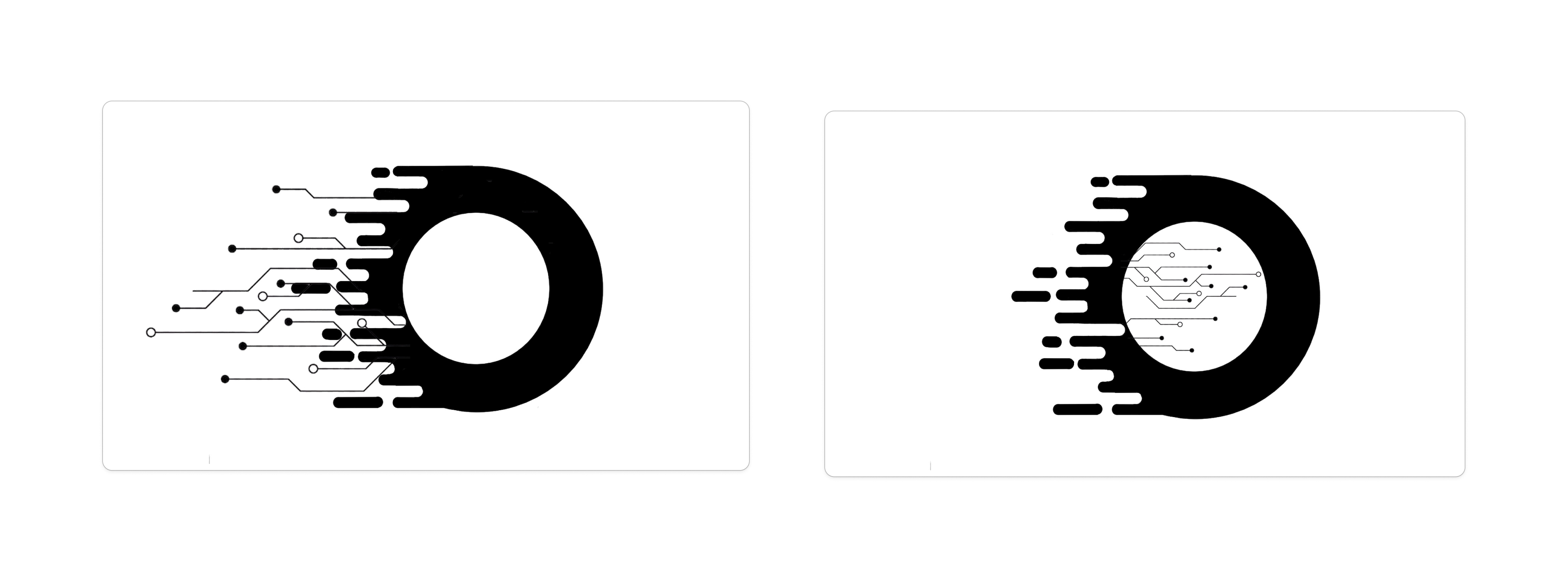
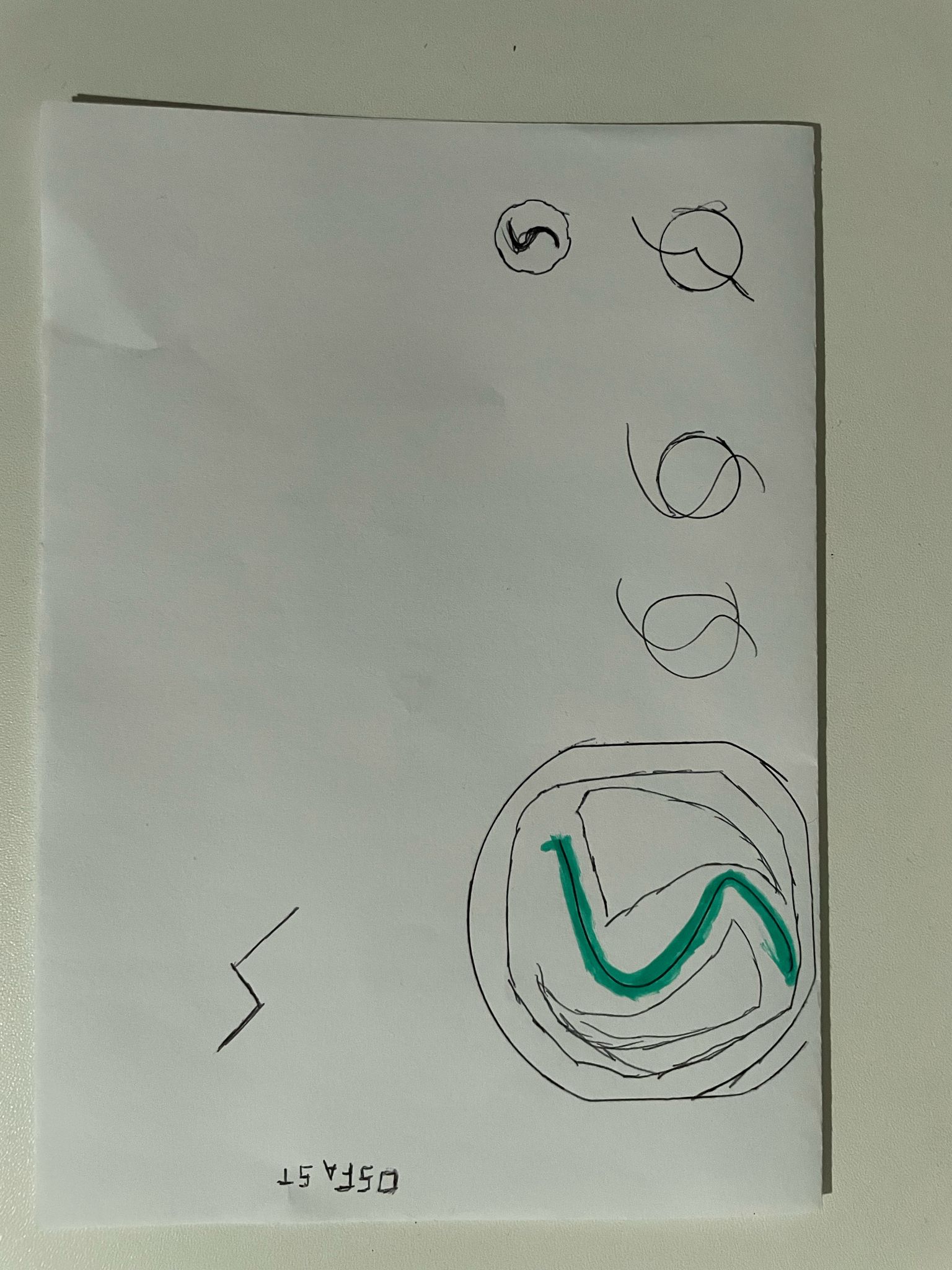
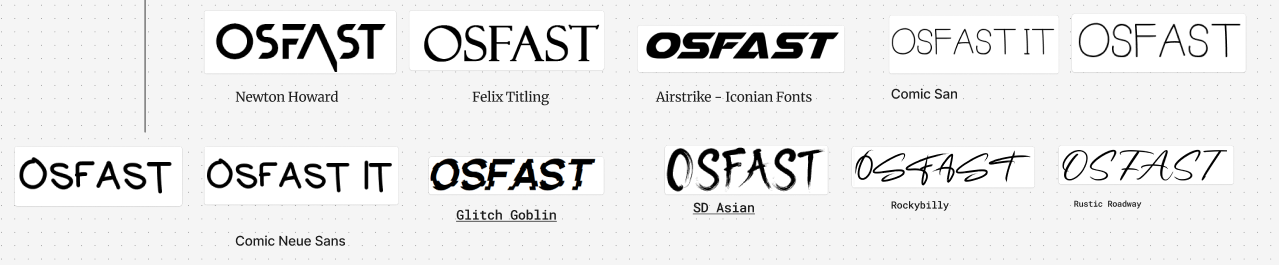
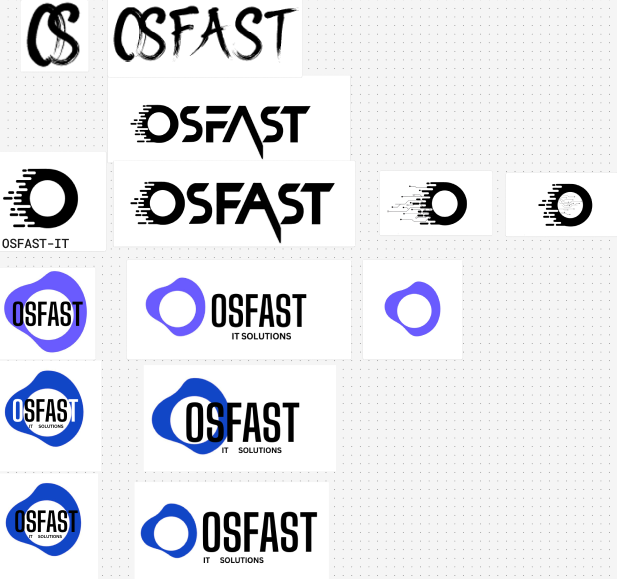
- What: Multiple drafts with/without text
- Tools: Canva + Photoshop
- Reflection: We created several logo options and refined them based on Oscar’s feedback. The process involved discussing color contrast, shape simplicity, and recognizability. It was really interesting to see how small tweaks could make a logo much more effective for the client’s needs.
Content Strategy
Introduction
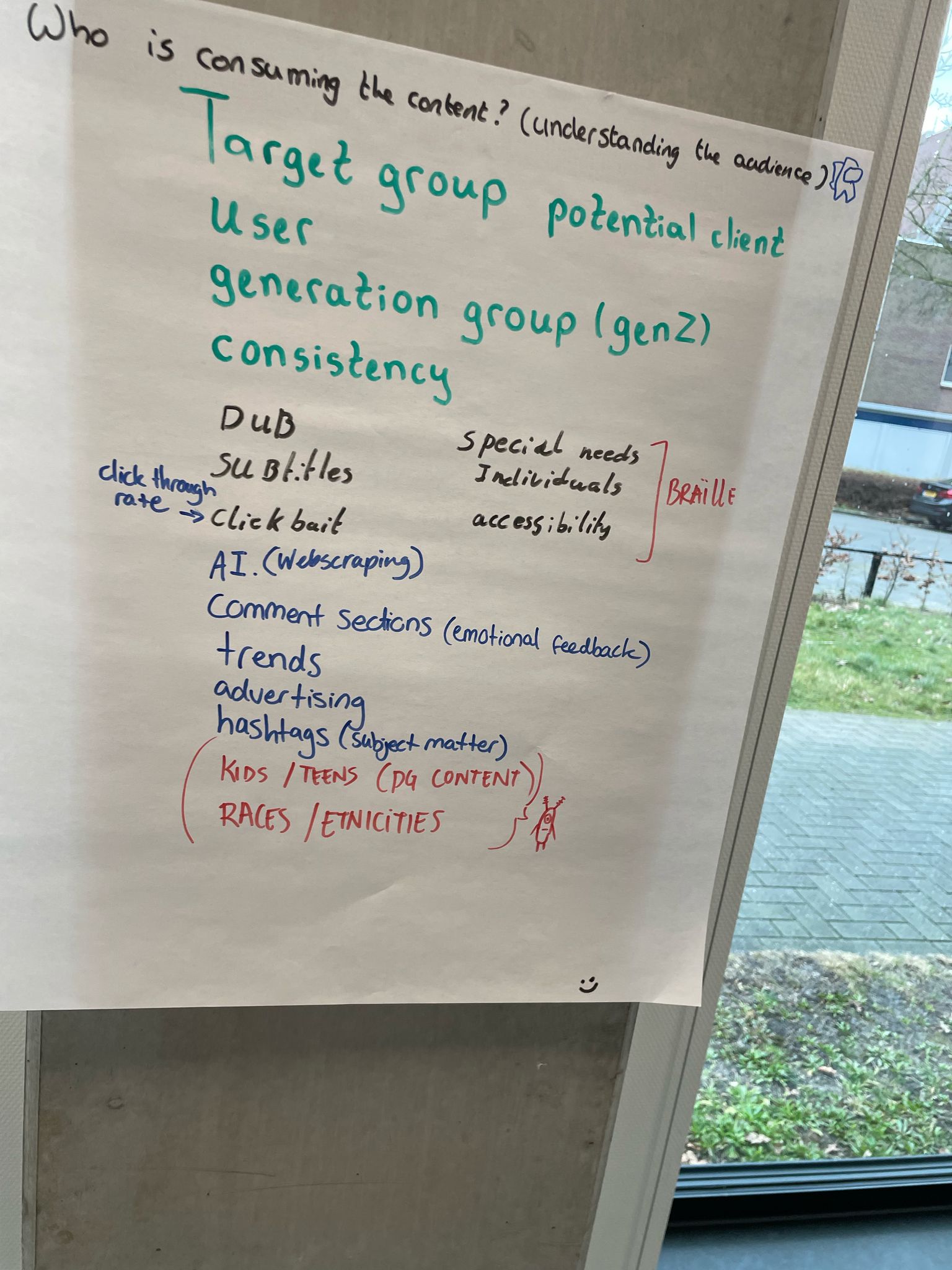
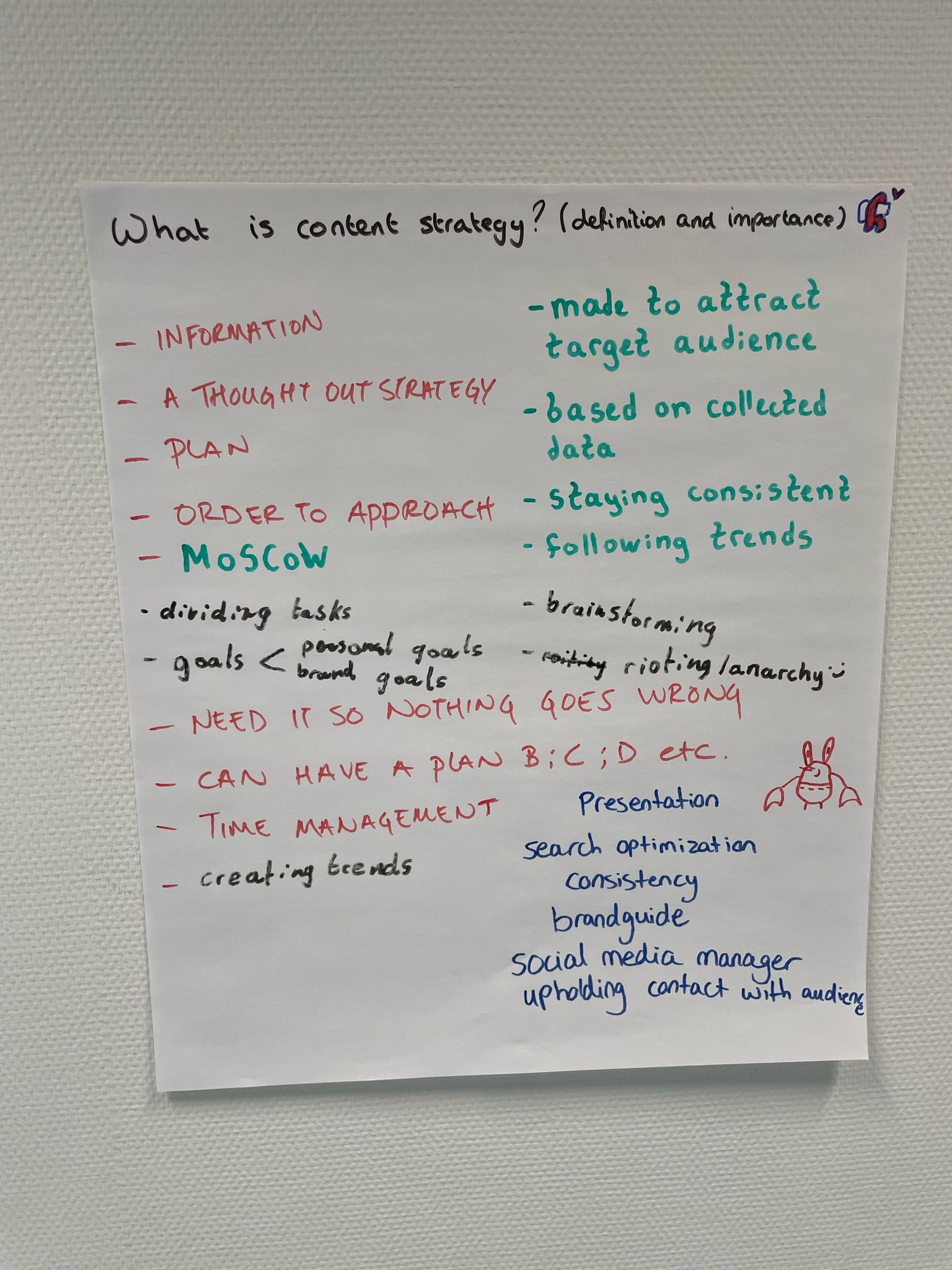
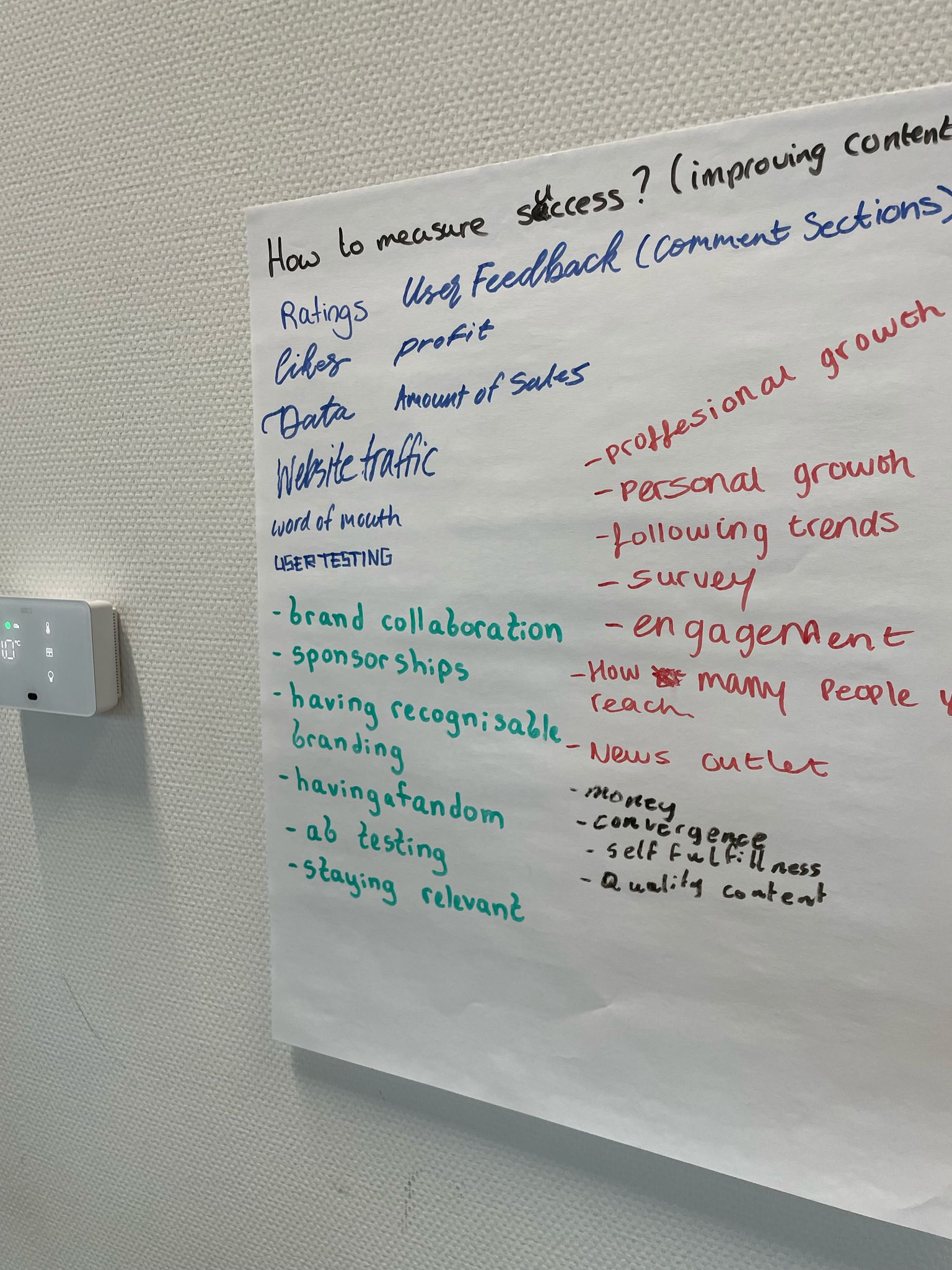
As part of the branding project, we had a workshop by Dirk that focused on content strategy. It really opened my eyes to how much thought goes into planning what content goes where — and why. We explored audience targeting, message clarity, and practical structuring. I learned how important it is to understand the user’s mindset before jumping into visuals or layout decisions.
What did I do?
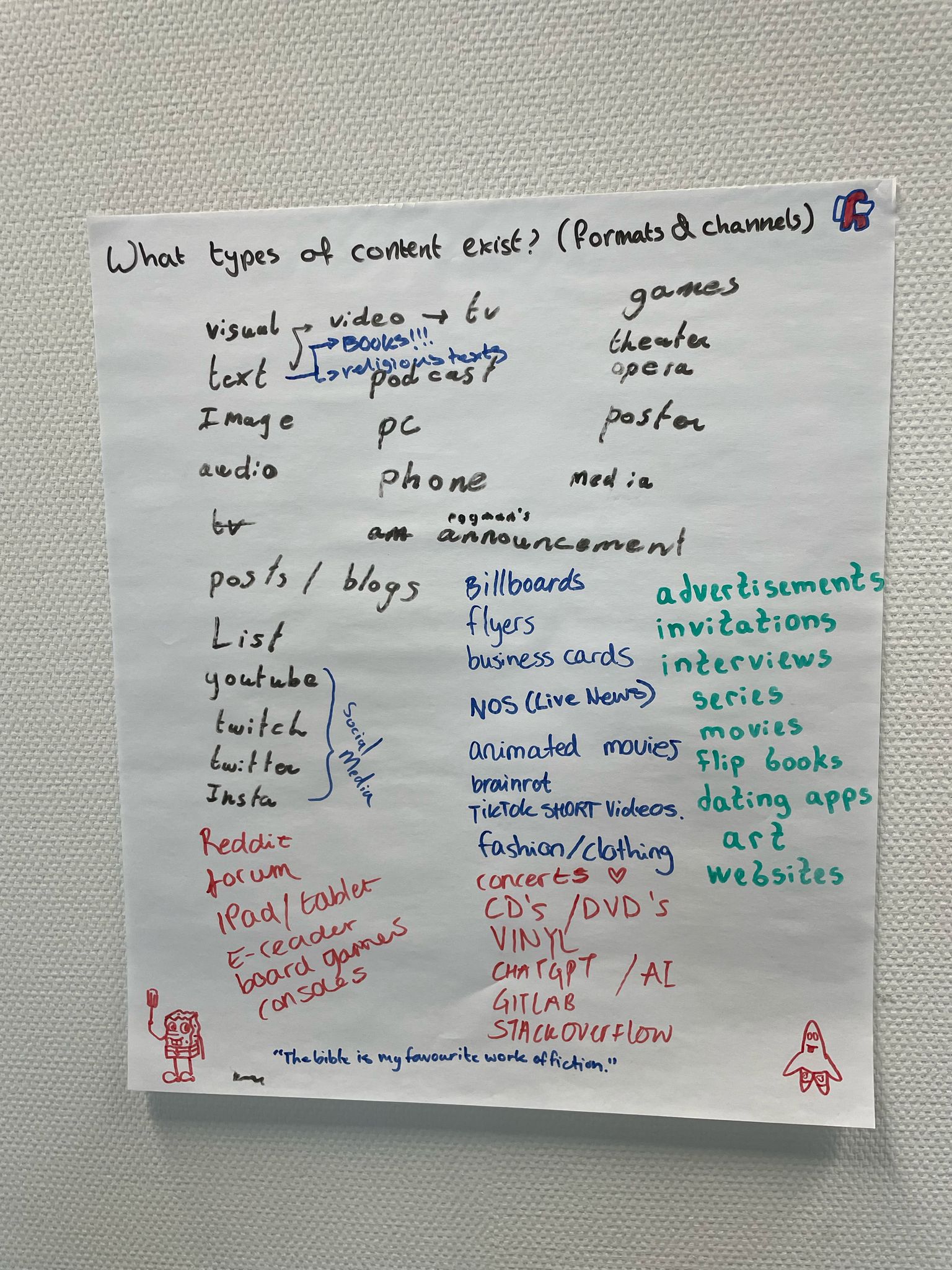
How did it go?
It went really well. Dirk’s explanations were clear, and we were able to immediately apply what we learned to our planning. It made our work much more structured and focused. My own contribution involved identifying the target tone of voice for OSFAST and translating that into actual design decisions later.
What I learned
- How to identify and understand target audiences
- The importance of core messaging
- Why structure matters before design even starts
Reflection
I used to jump into visuals first, but now I realize that strong content direction makes everything smoother. This was a great step toward thinking more professionally.
I worked on content tone and planning. The PDF outlines how OSFAST should communicate online.
Download OSFAST Content Strategy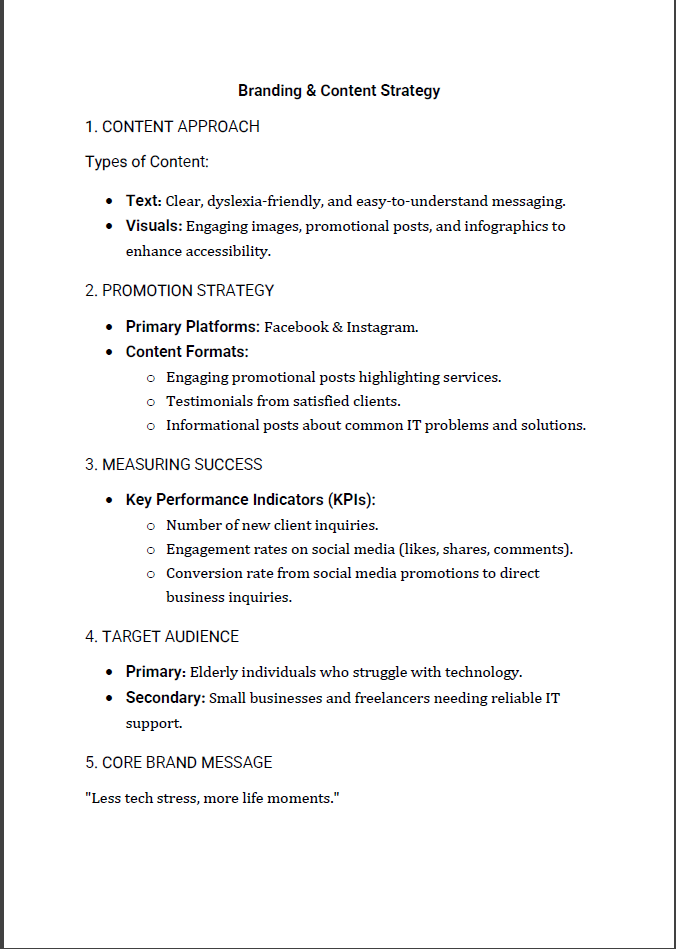
Storytelling Workshop
We also had a storytelling workshop with Chris. This session helped us understand how to create an emotional connection between a brand and its audience, fostering deeper relationships and brand loyalty. Oscar’s personal story became a part of the tone and design of the OSFAST identity, especially in how we designed visual metaphors like icons and layout flow.
Now, whenever I see an ad or brand material, I analyze the underlying story instead of just looking at visuals. This new perspective has already helped me approach design with more meaning and purpose.
Click here to explore the workshop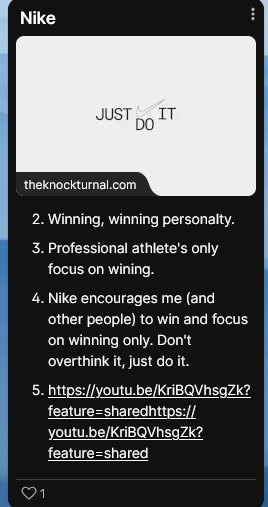
For this project, we created a brand guide and tried our best to incorporate storytelling throughout the content. It gave the final result more depth and emotional appeal.
Download OSFAST BrandbookI’ll definitely apply storytelling in my future projects and professional life moving forward.
Research
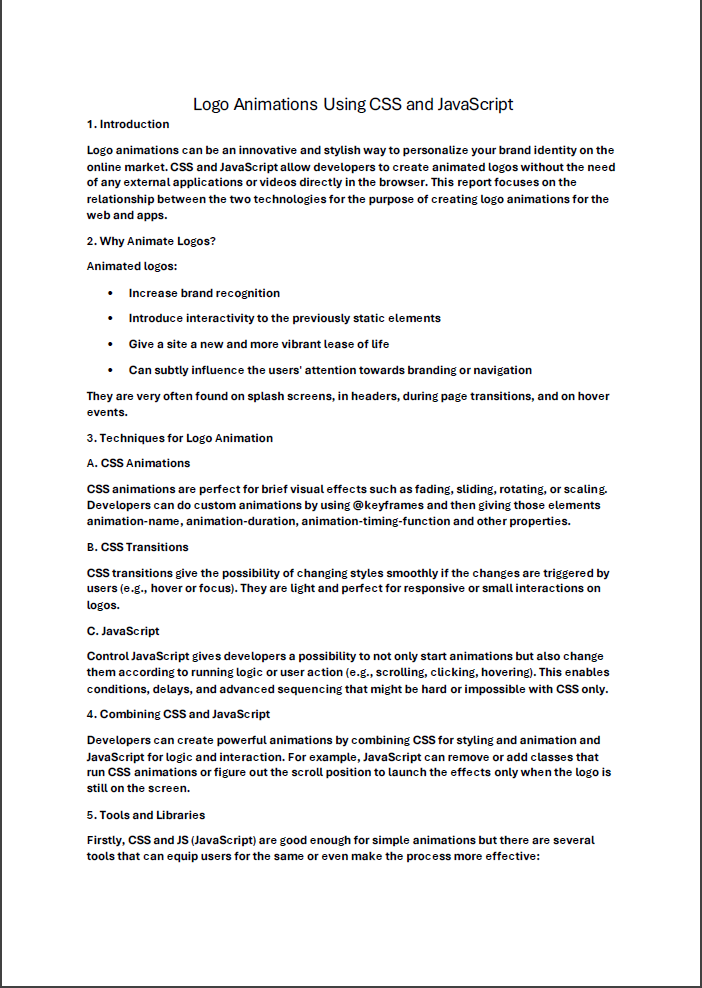
- Topic: Logo animations with CSS/JS
- Takeaway: I got interested in motion design — might explore it further.
Final Client Presentation
We shared our design via Canva. The client was really happy and said it matched his expectations. I helped structure the final slides and reviewed them with the team to make sure the messaging was consistent with Oscar’s brand values.
View Final PresentationReflection
Rebranding for a client on a tight deadline was a real challenge, but it turned into a rewarding experience. I worked on moodboards, logos, content strategy, and even explored animation. This project helped me grow more confident with client communication and gave me a clearer understanding of how important early planning is.
What stood out most to me was how every step of the process—research, storytelling, strategy, visuals—needs to be aligned. This experience taught me the importance of structure and collaboration. In the future, I want to take more ownership during the research phase and push myself creatively, especially in areas like animation or interaction design.